Places to discover

Best places to visit in Laos

Setting off on atrip to Laos means discovering a country which redefines serenity: here, the inhabitants exude calmness, you'll rub shoulders with monks among gleaming temples, and you'll enjoy the soothing sights of waterfalls, rivers and verdant mountains. Do be aware, however, that these beauties hide a one-party Socialist political system which imposes a curfew at midnight and a minimum wage of around 100$. The country also plays host to tourists who can be disrespectful, looking to party rather than make the most of the splendour around them. To avoid falling into these traps and to discover every facet of this fascinating country, just follow the advice of the members of the Evaneos community!

With its unusual shape, people generally travel through Laos from North to South or vice versa, before heading into Thailand or Cambodia. On the road, it's possible to stop off at multiple places.

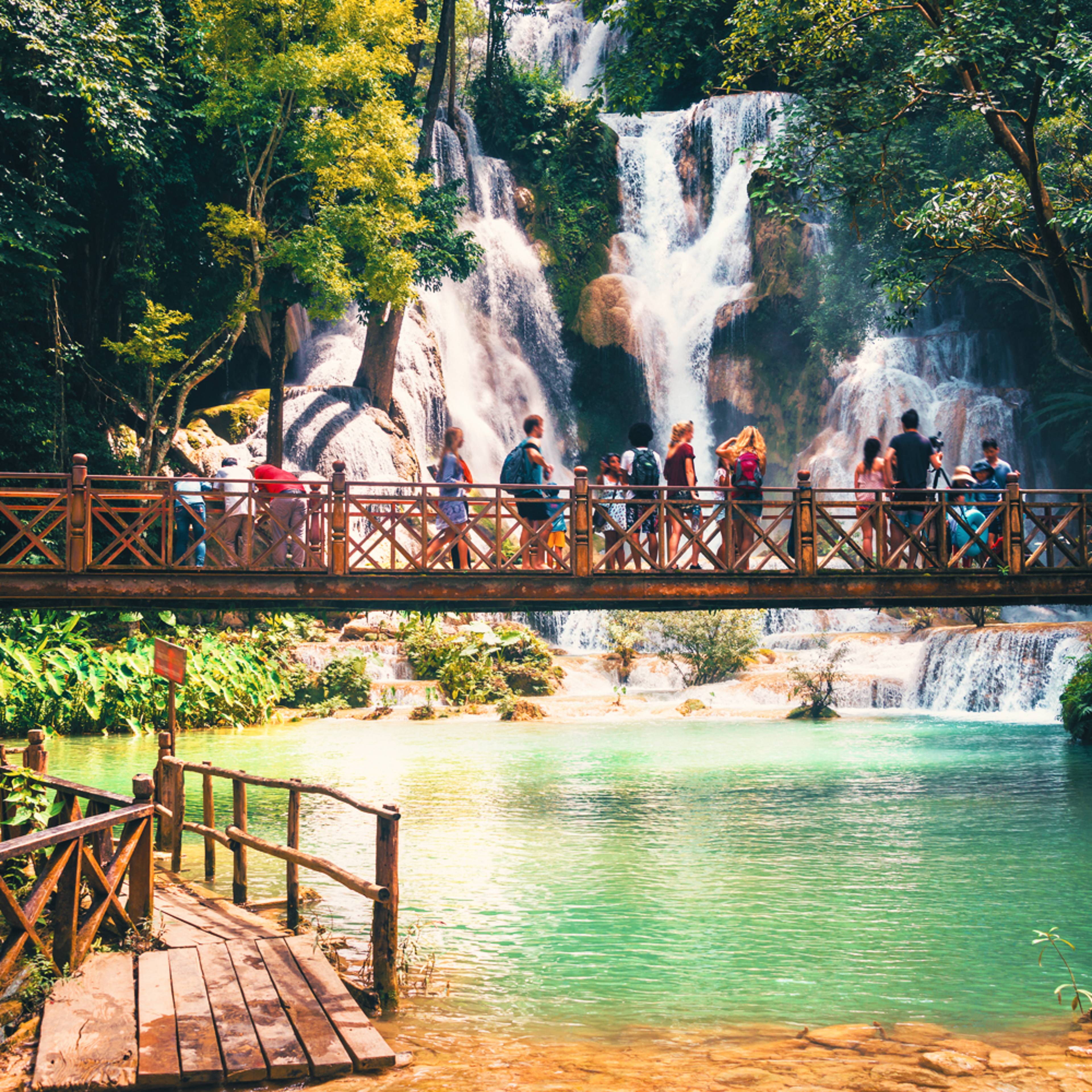
The attraction ofVientiane, the capital of Laos, lies in its many monuments, such as the Pha That Luang or the Patuxai, and in its temples, such as Vat Simuong, Vat Sisakhet or Vat Phra Kèo. However, the city itself isn't very charming or dynamic, so don't spend too much time there. Luang Prabang is much more pleasant. The city is very much in harmony with nature: its temples, found on pretty much every street corner, sparkle with a thousand hues, and the jungle close by contains other marvels (particularly Kuang Si). Finally, another must-see in Laos are its 4,000 islands, located right in the South of the country, strewn across the Mekong. They offer fantastic sights and promise a stay which will guarantee you calm and inner peace.

By now, it should be clear: if you love nature, Laos is the place for you. The Bolovens plateau, not far from the town of Paksé, is absolutely magnificent. You'll definitely enjoy hiking up to it! A few kilometres away you'll find the Champassak province, where you can visit the temples of Vat Phou, a UNESCO world heritage site.

Laos is large country full of beauty, riches and calm. By respecting the country's environment and the history and culture of its inhabitants, you'll guarantee yourself a truly enriching experience.
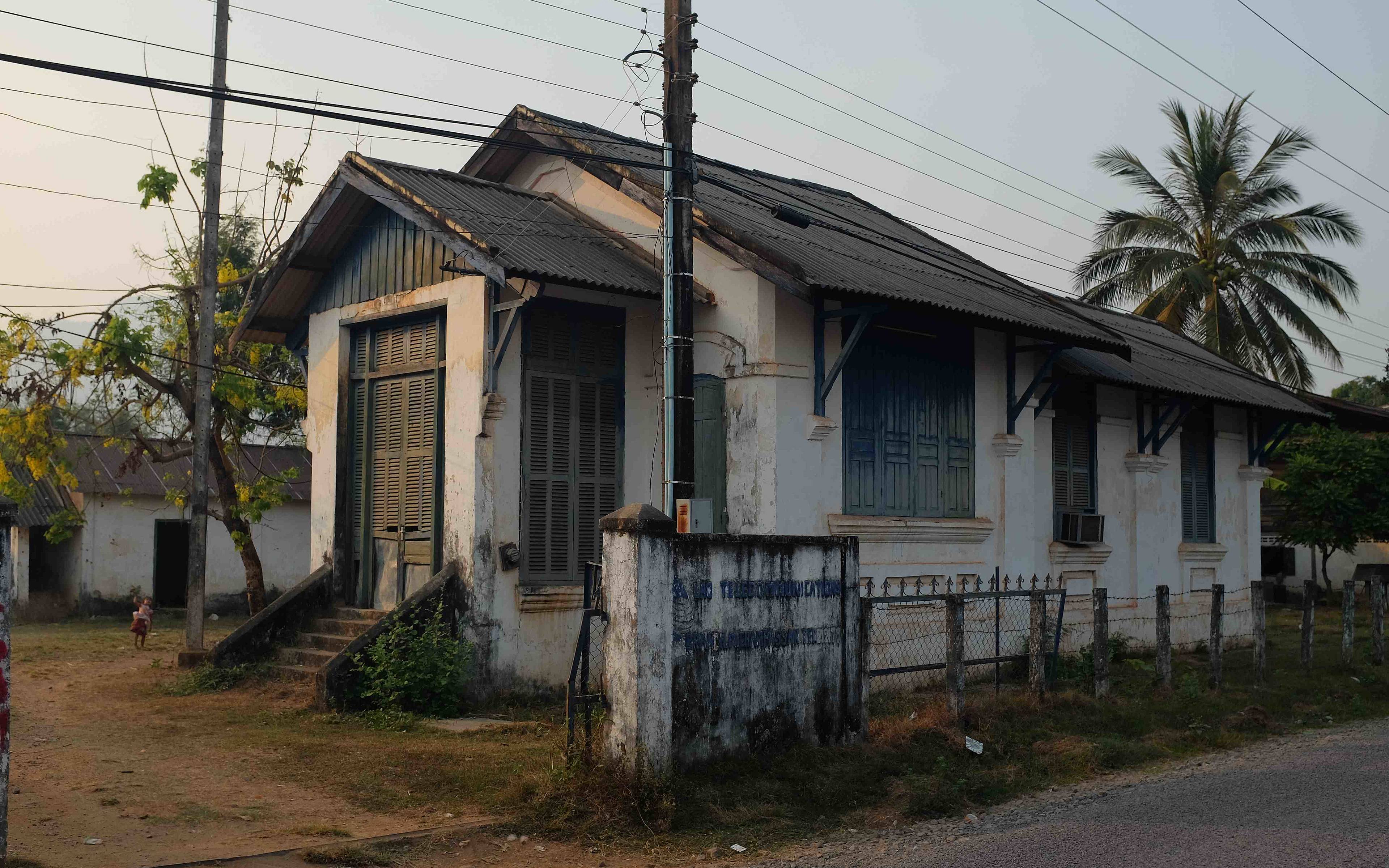
Champasak is a town in the south of Laos, considered to be an historical and culturally important destination. One of the temples, Vat Phu, is a classified UNESCO World Heritage Site. It's a pleasant stop and a departure point for cultural visits.
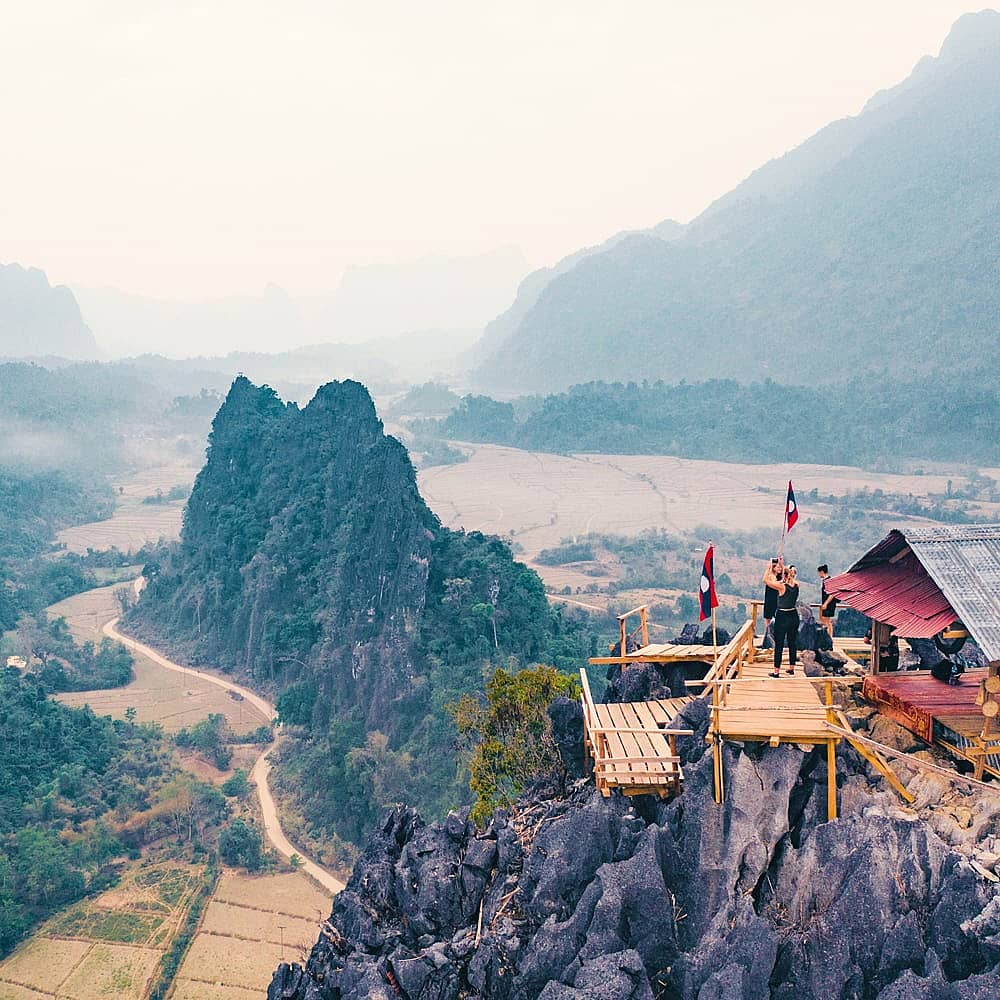
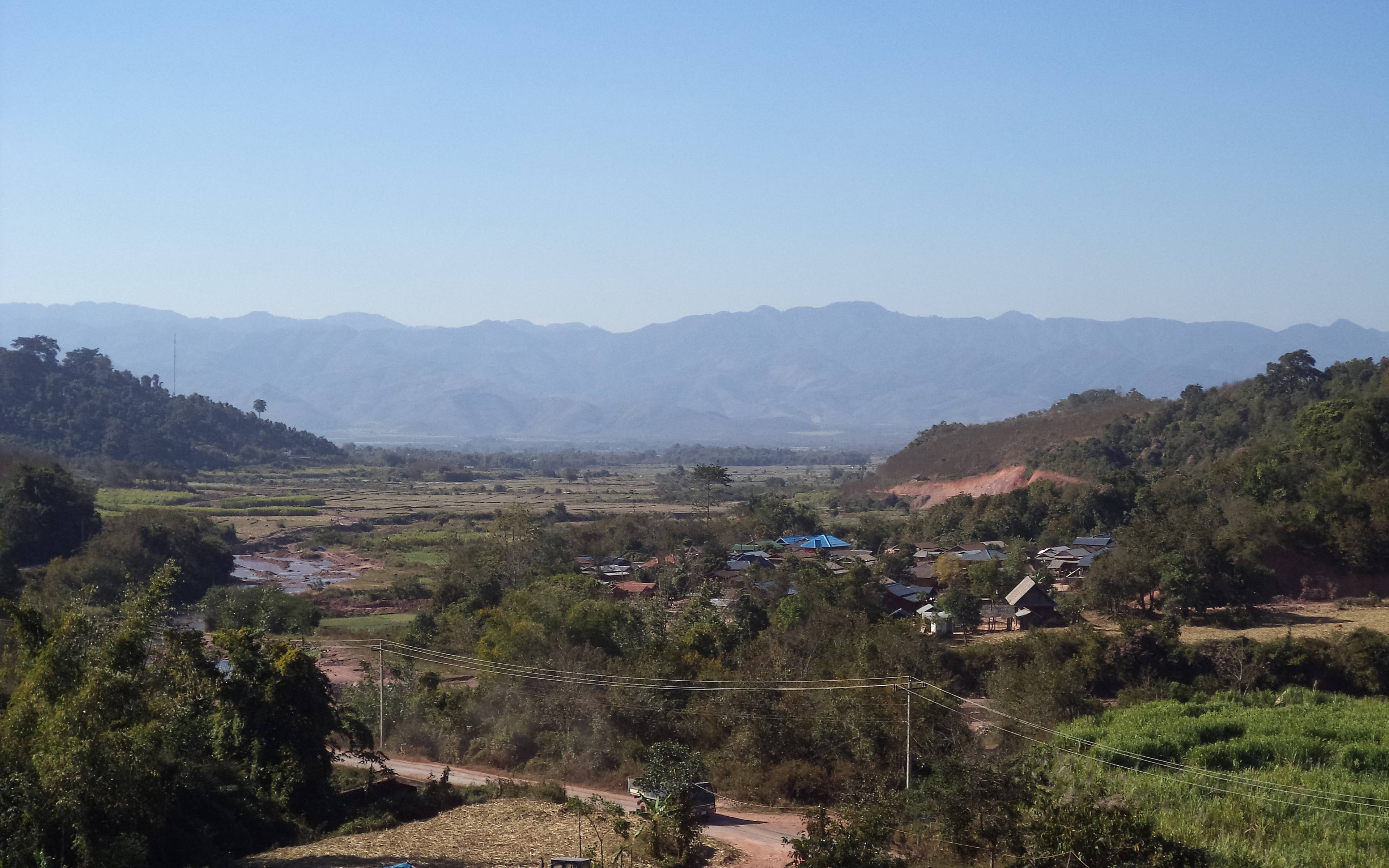
A Laotian village on the Chinese border, Muang Sing is surrounded by beautiful mountains and plains, as well as traditional, ethnic villages.
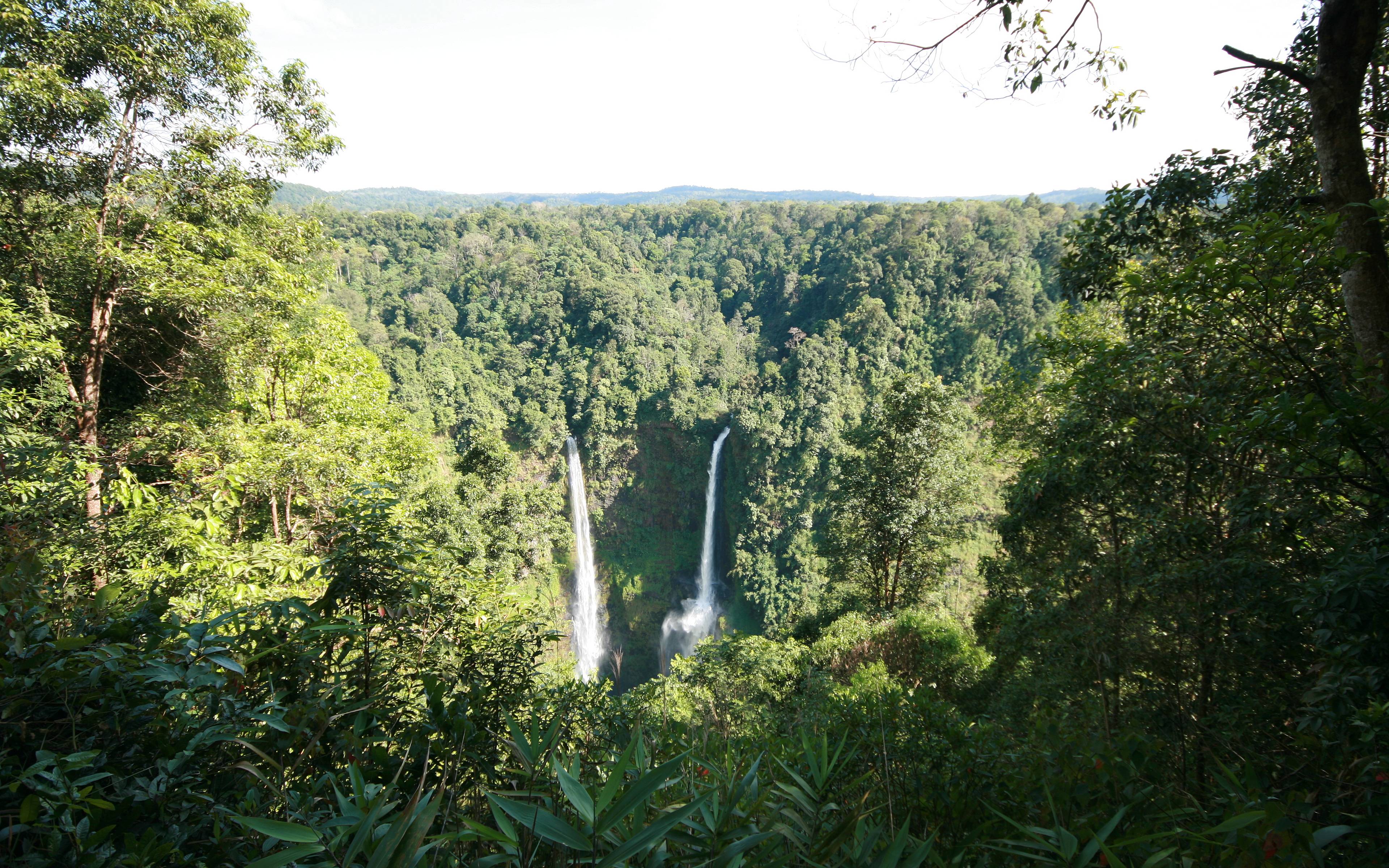
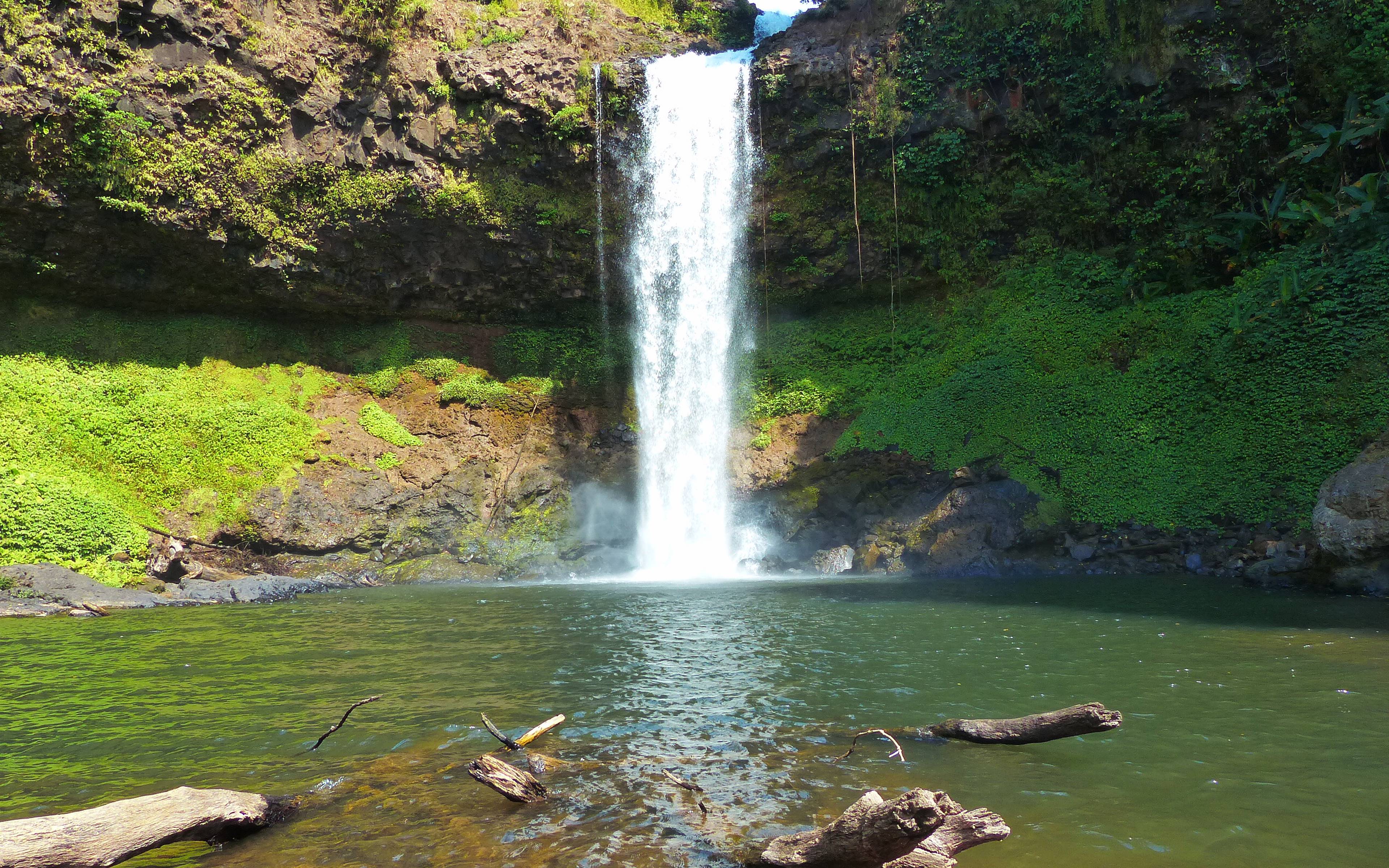
At 38km from Pakse on the Bolovens Plateau, Tad Fane is home to Laos' biggest water falls.
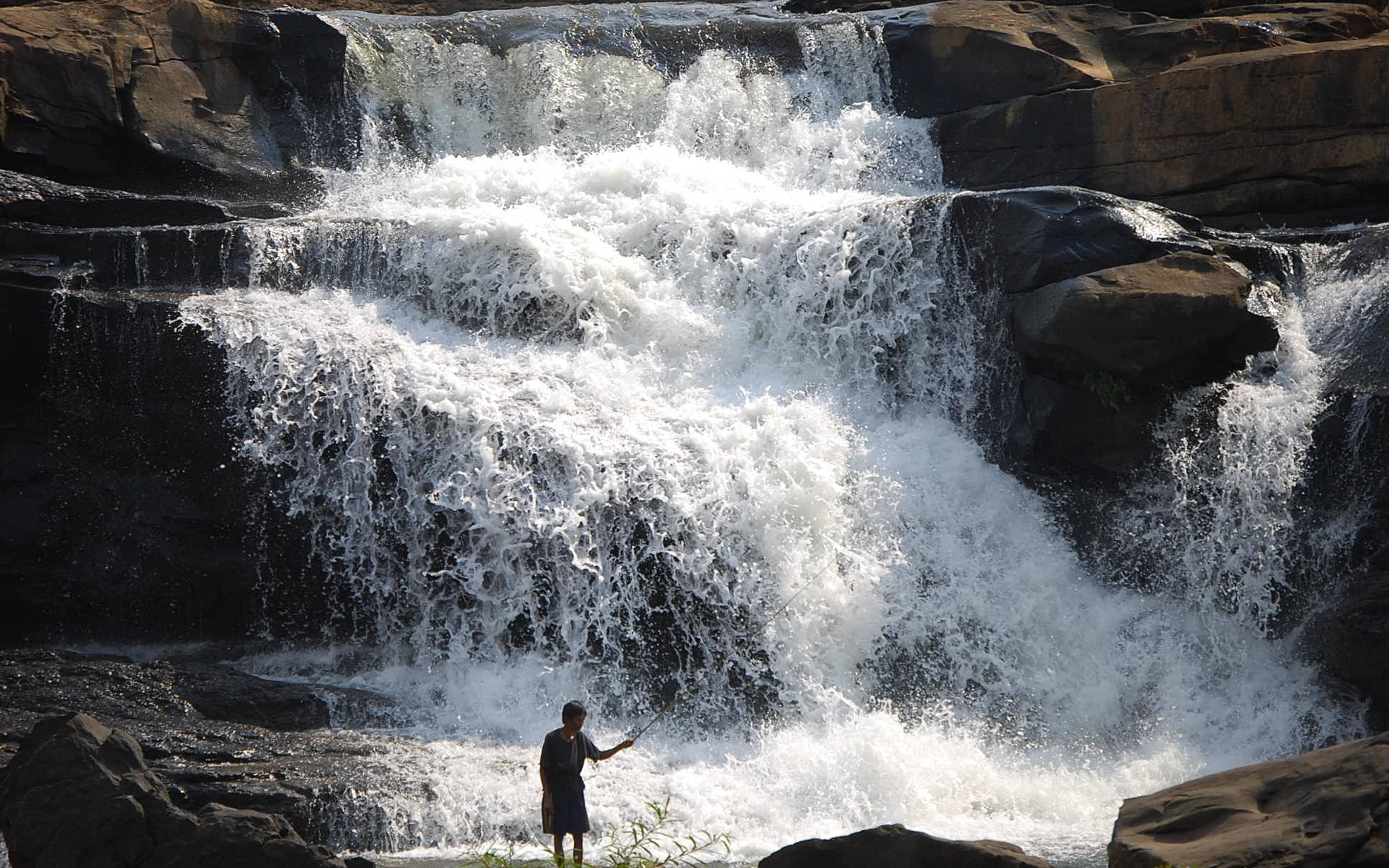
At 85km from Pakse, on the Bolovens Plateau, Tad Lo is a tiny village known for its superb waterfalls.
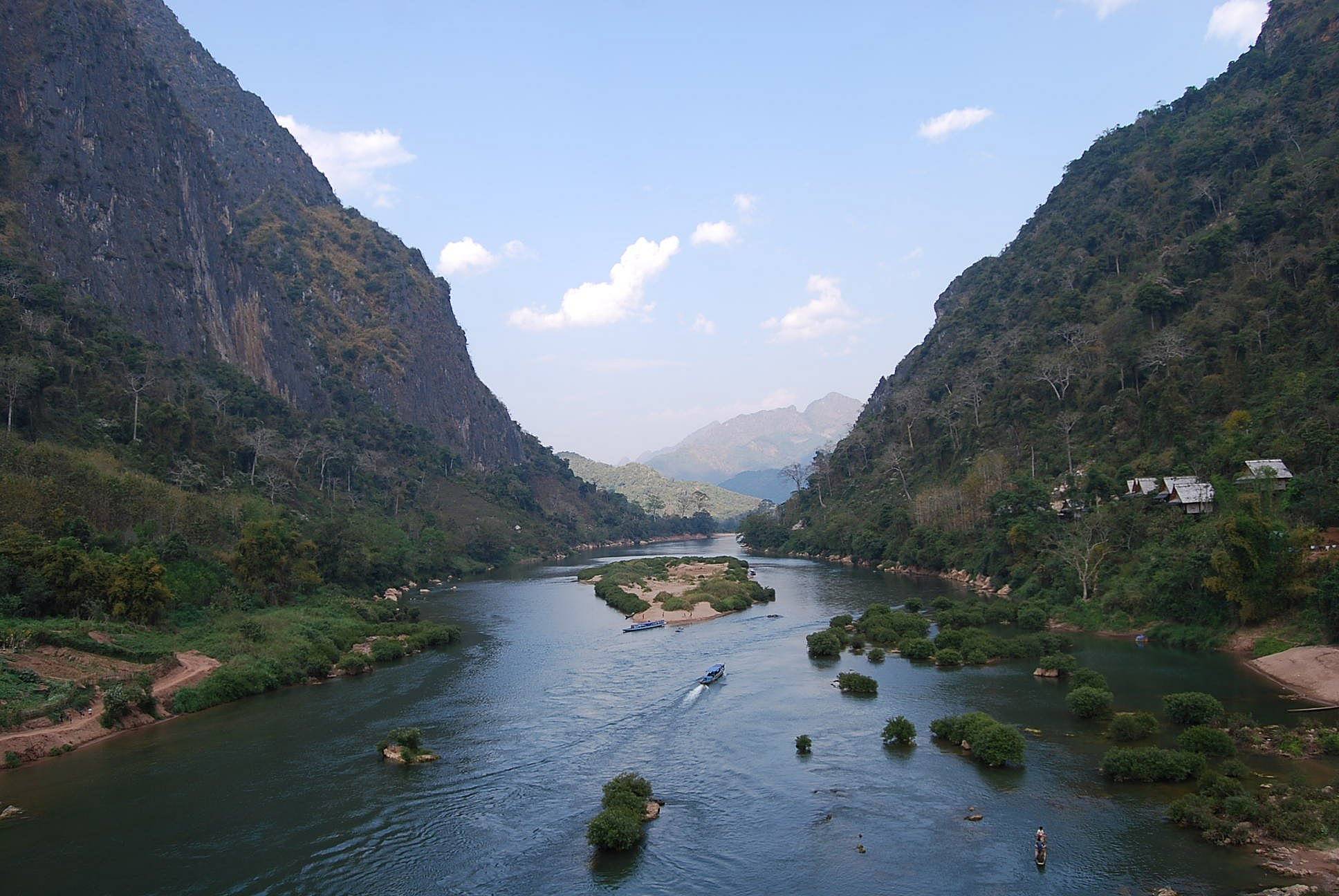
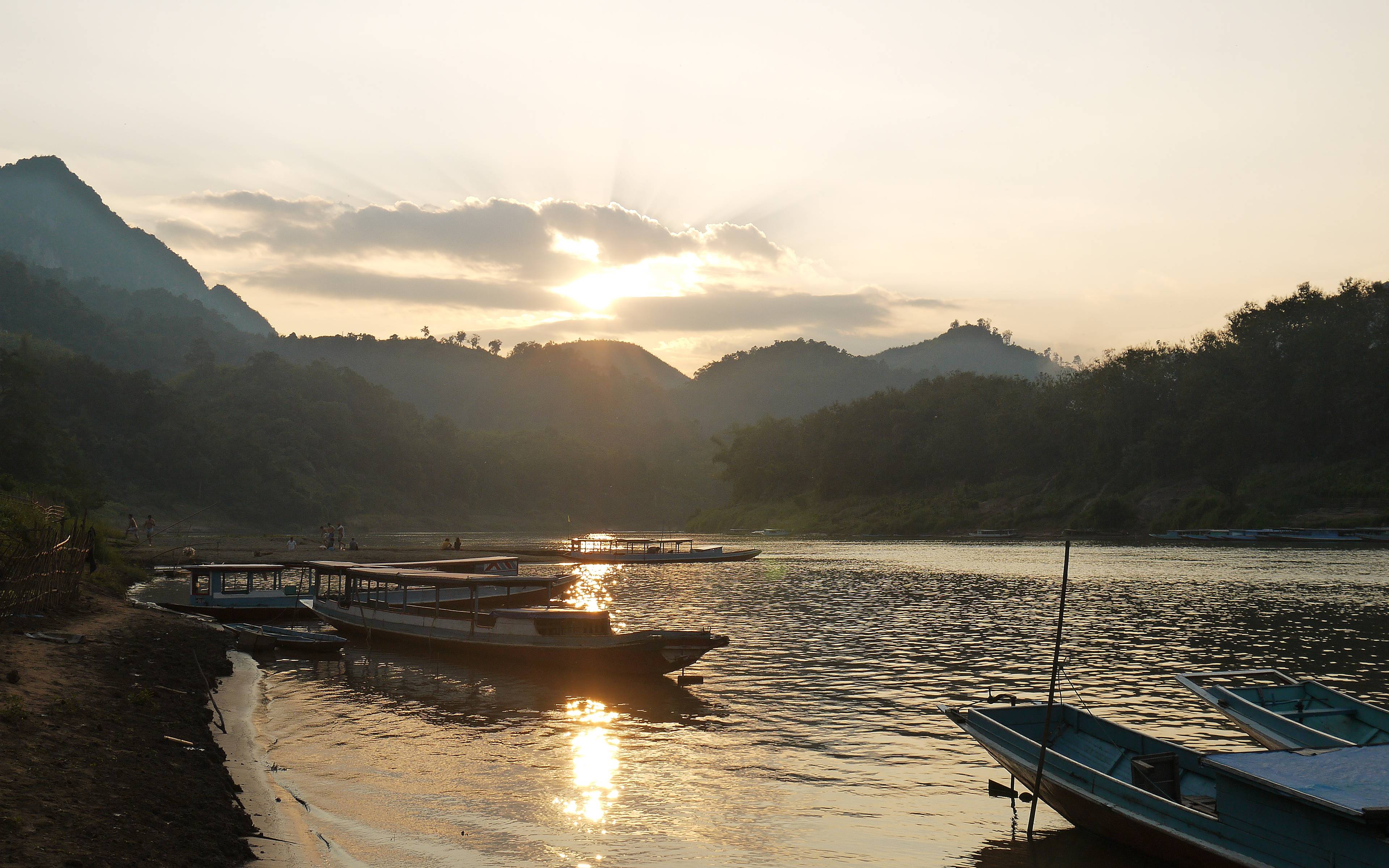
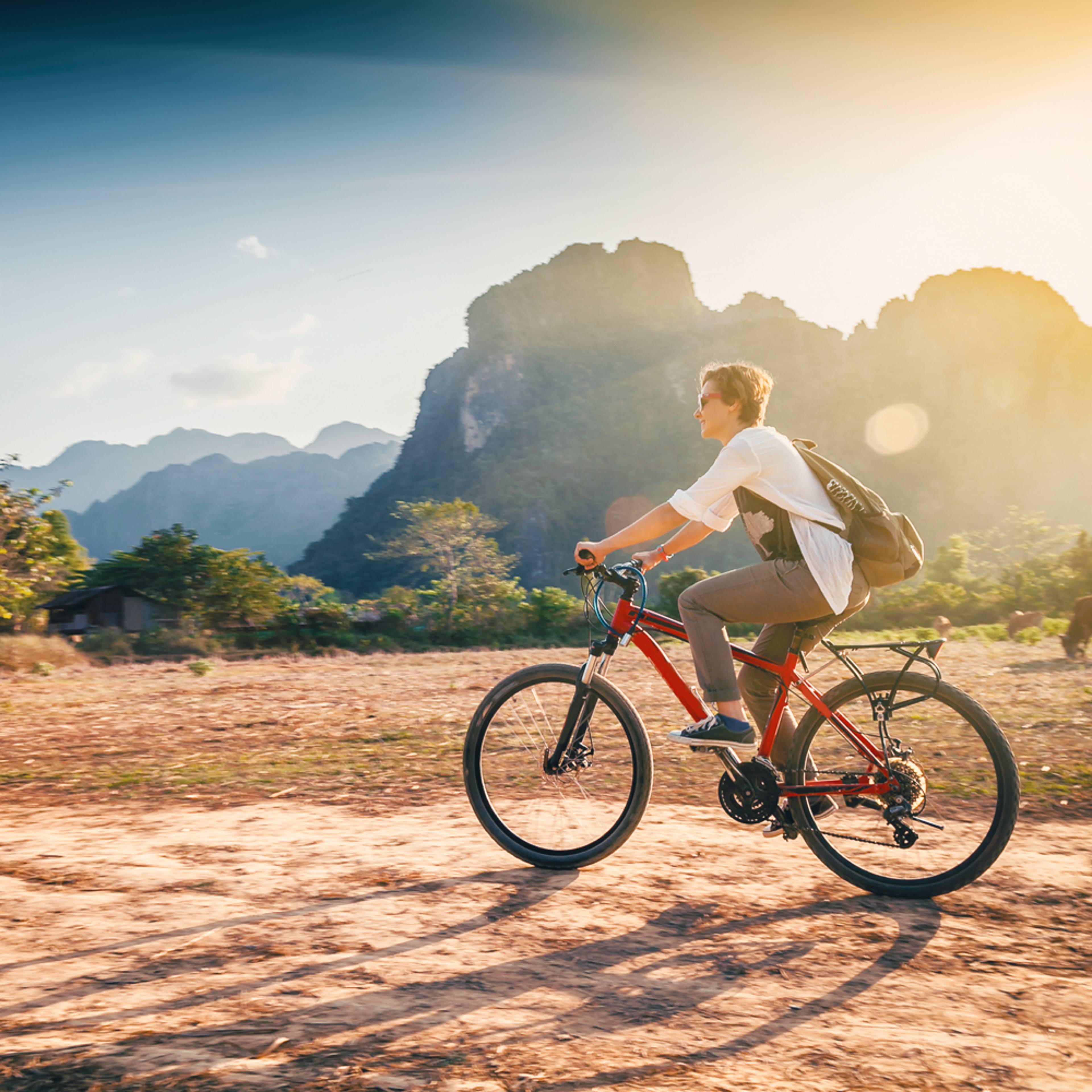
Situated 200 km from Luang Prabang in the north of Laos in mountains covered with lush vegetation, Nong Khiaw is a sumptuous village on the banks of the Nam Ou river. 
At 300km from Luang Prabang, close to the Chinese border, Luang Nam Tha is an important crossroad between northern towns such as Muang Sing and southern ones including Oudomxai.
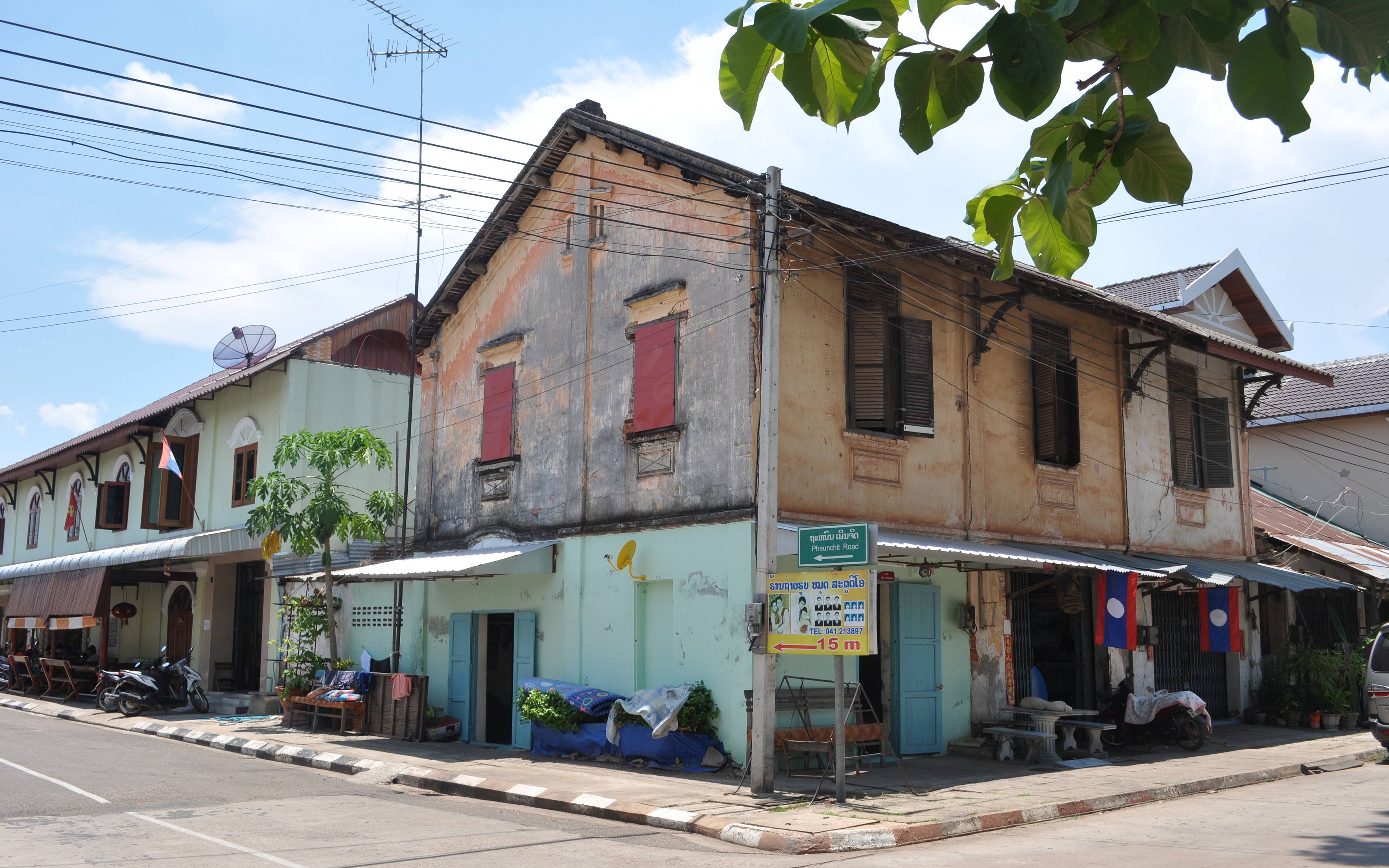
Savannakhet is the second biggest town in Laos. It is very quiet and is mainly a destination for tourists who want to get a visa for Thailand quickly.
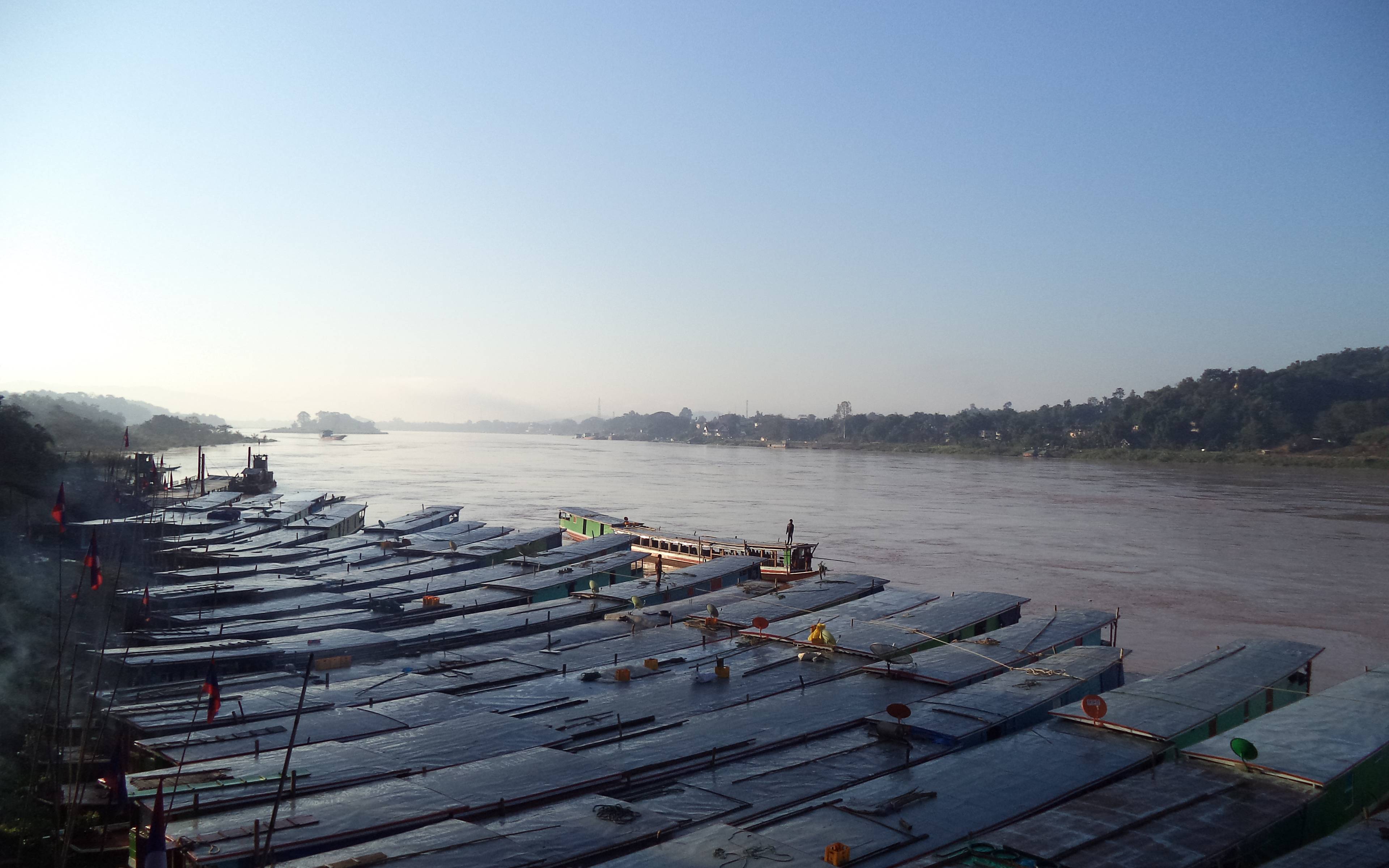
Houay Xay, a Laotian/Thai border town, is an almost obligatory stopover if you're heading to Thailand.
One of the most calm little towns, lodged between the mountains in the North of Laos and the Nam Ou river, Muang Khua makes for a pleasant stop before starting a trek, the journey over the water or towards neighbouring Vietnam.
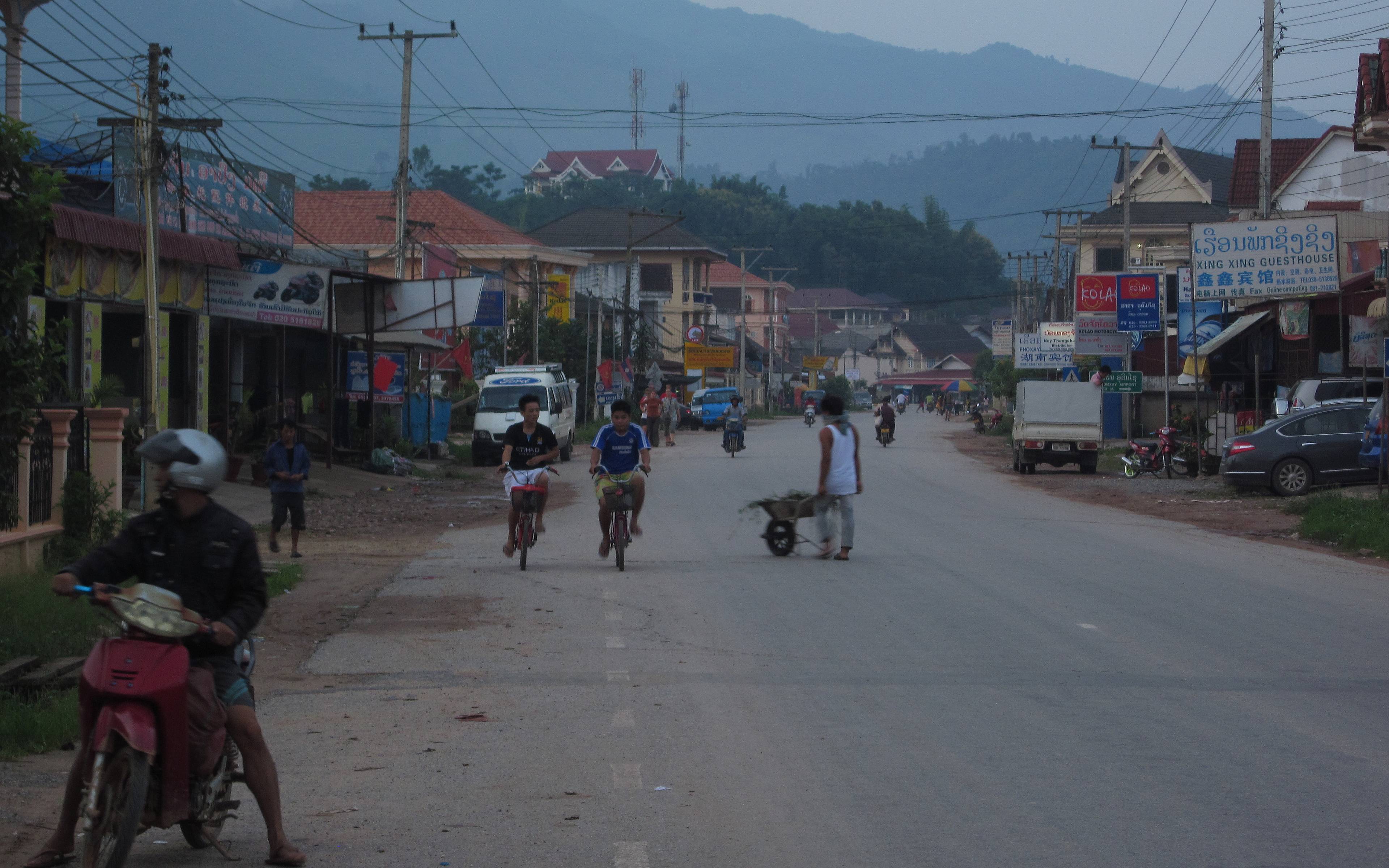
160km from Luang Prabang, Pakbeng is a pretty village in the northern mountains on the banks of the Mekong.
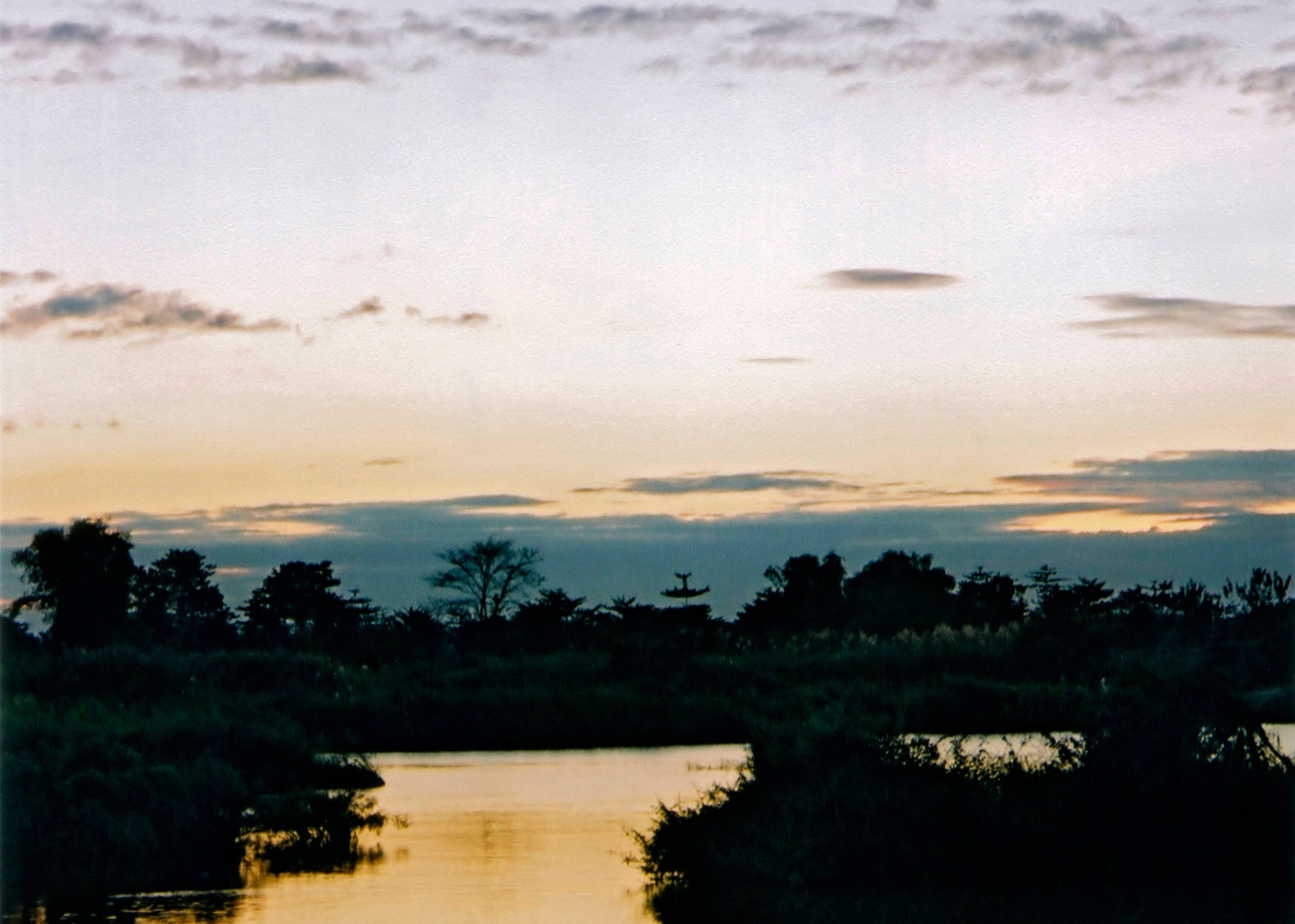
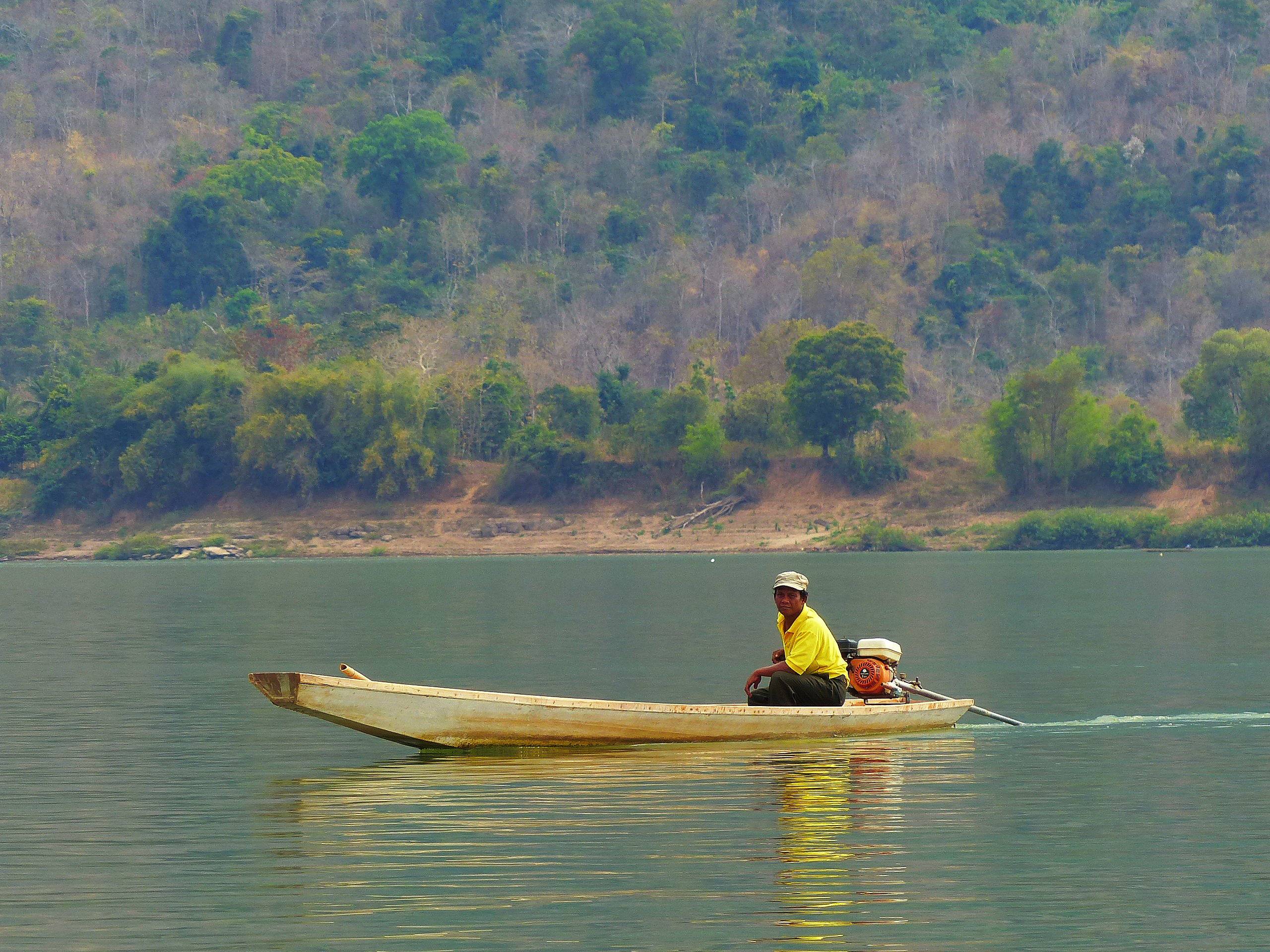
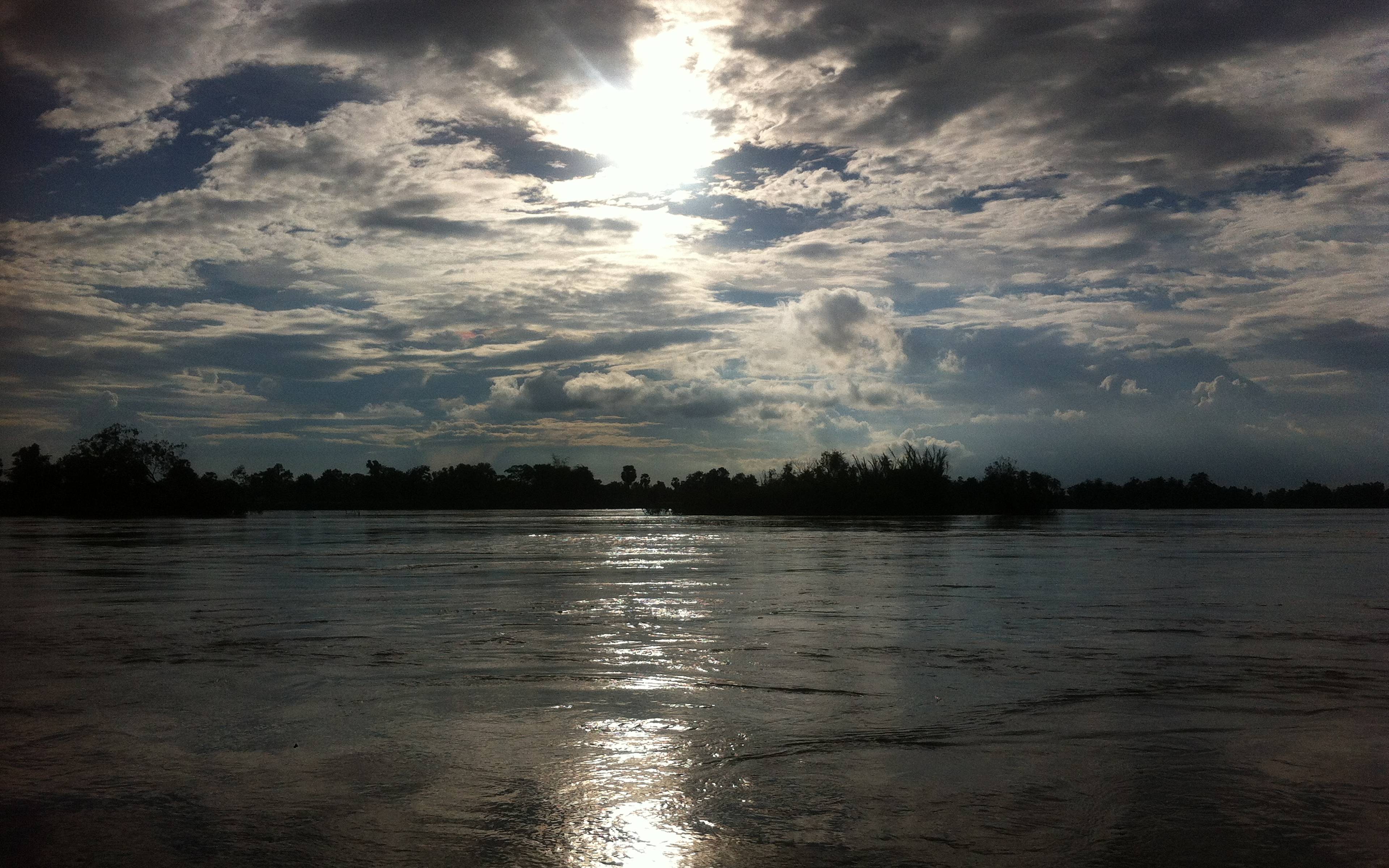
The Mekong is a legendary river that crosses Southeast Asia. Its source is in the Himalayas and it crosses several countries, including Laos and Cambodia. It's an important cultural and economic resource for Asian communities.
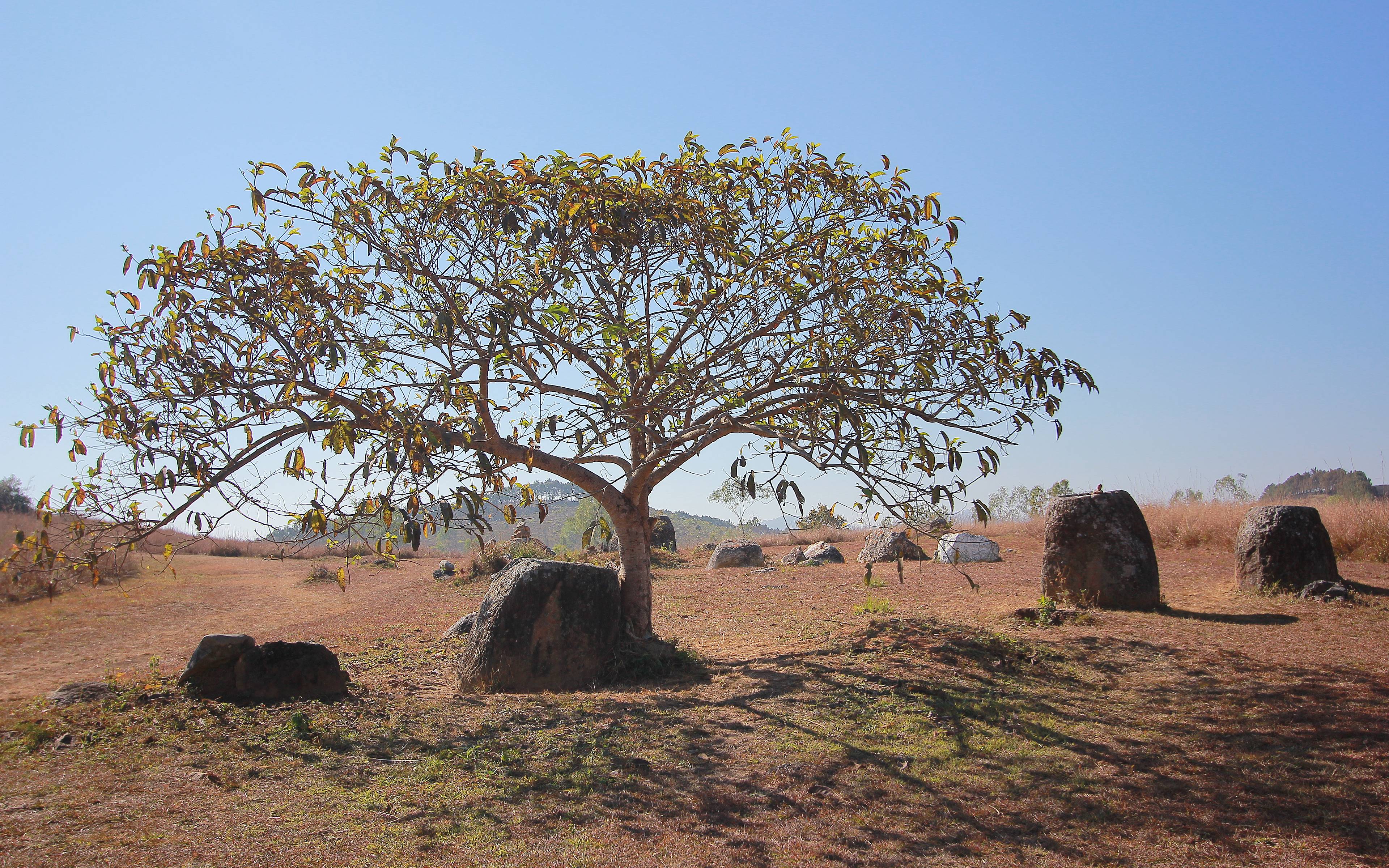
The Plain of Jars is spread over different sites. Some are over 2,000 years old and their early usage is unknown. The jars are divided into 3 main sites.
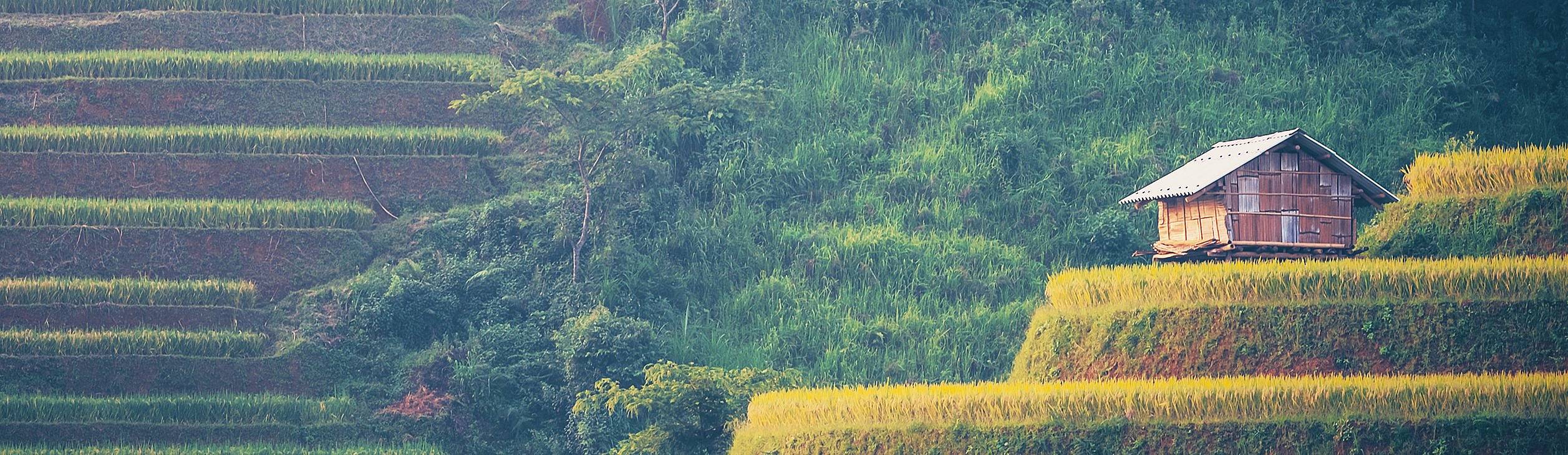
The Bolaven plateau designates this beautiful rural area that is famous for its coffee production. It is situated about fifty kilometres to the east of Pakse, the main town in the south of Laos.
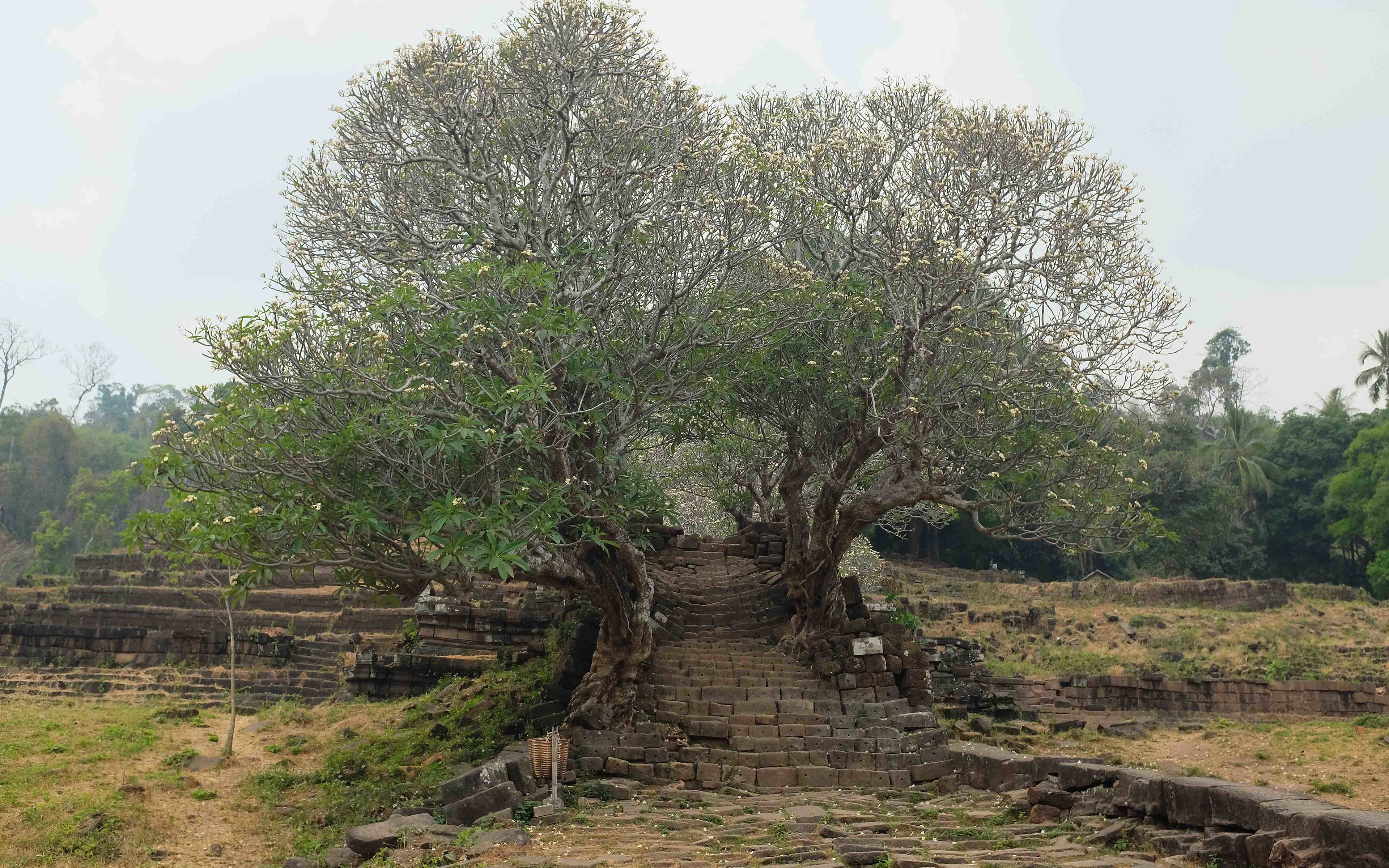
'Little brother' to Cambodia's Angkor Temple, le Vat Phou is a Laotian gem, a classified UNESCO World Heritage Site since 2001.
The 4,000 Islands region is unique in the world. It's home to Laotians but also the ideal getaway for enjoying the water and the sun and perfect for those who love walking.  
Don Khong is the biggest island in the 4,000 Islands region, which is in the south of Laos, on the frontier with Cambodia. It's a very well known destination among backpackers, but it's also a very calm place during the dry season and perfect for relaxing! 
Oudomxay is a little Laotian town, in the middle of the Luang Namtha - Luang Prabang - Phongsali triangle.
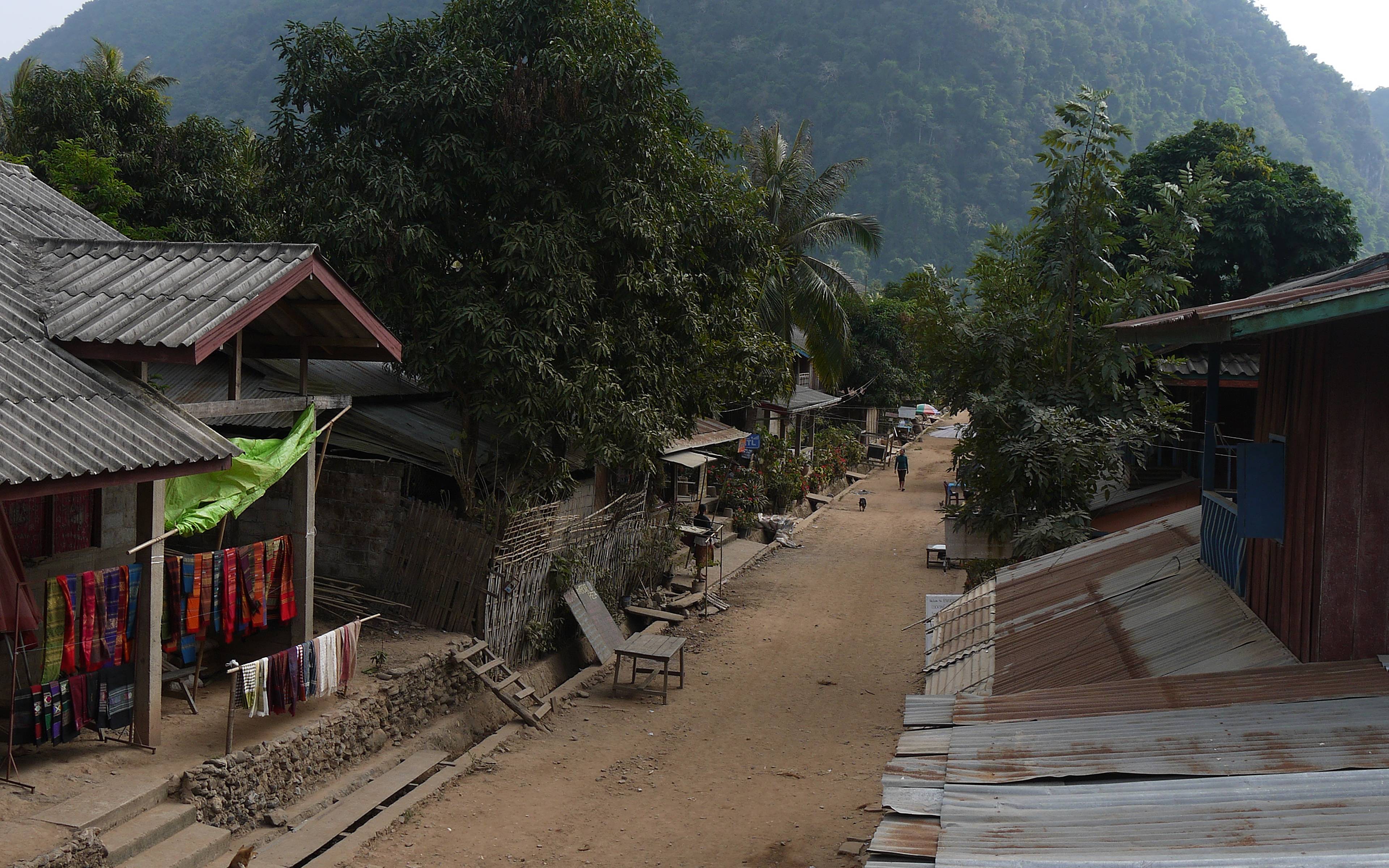
Muang Noi Neua is a tiny village in northern Laos, nestled in the mountains by the River Nam Ou. This remote paradise is attracting more and more tourists. The scenery is enchanting...
Sayabouri is in the west of Laos, close to the Thai border and surrounded by mountains. It's home to the Elephant Festival, which is held every February.
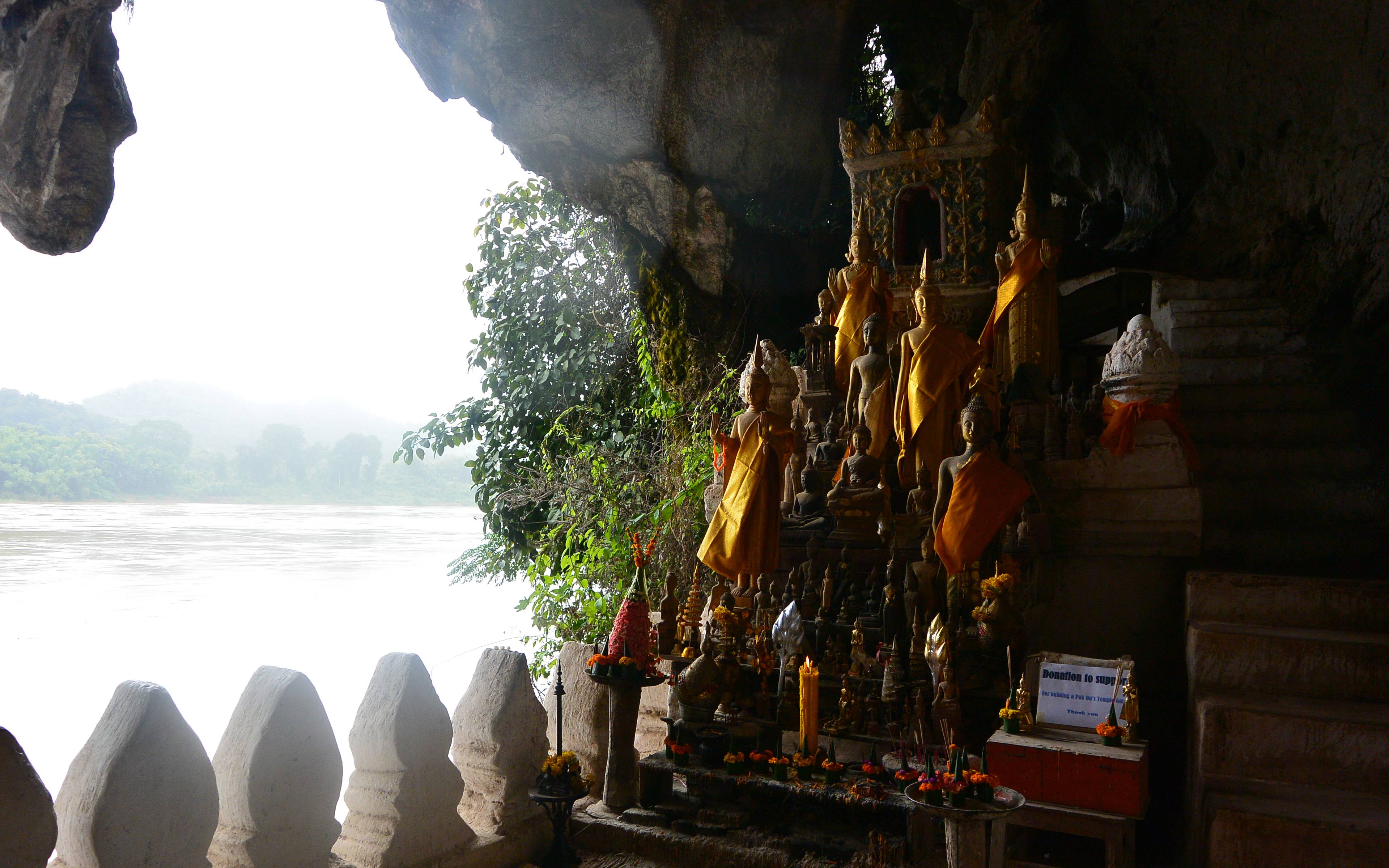
At 35km from Luang Prabang, Pak Ou is home to stunning Buddhist caves that are carved into a cliff face. Inside, you'll find thousands of Buddha statues overlooking a breathtaking view of the Mekong.
12