

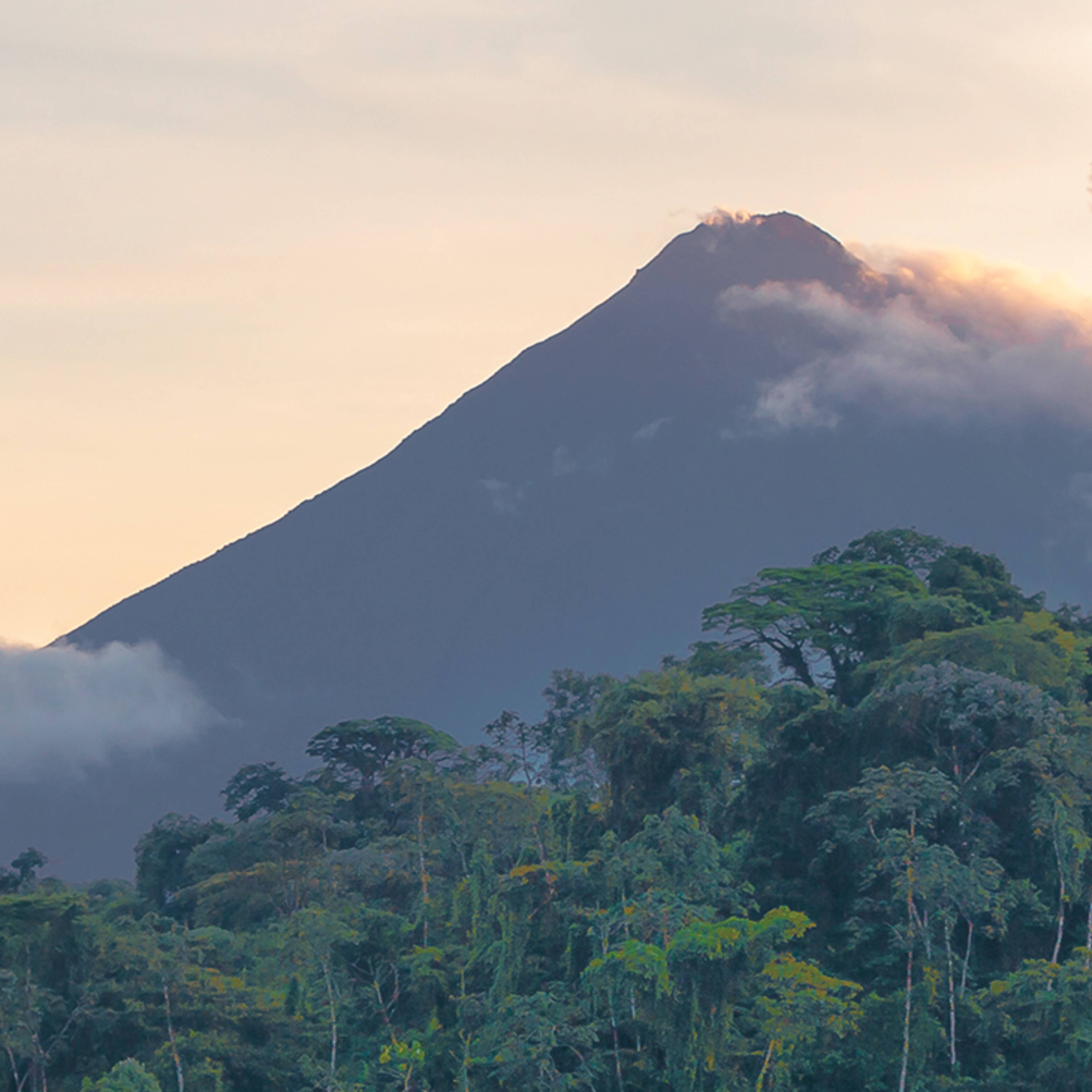








The famous volcanoes of Poás and Irazú

Costa Rica's volcanoes
A trip to Costa Rica is not to be contemplated without going up one of the numerous volcanoes which are so symbolic of this little country.
During your trip to Costa Rica my advice is to get there early in the morning, not just because the temperatures in the afternoon are often much too high but also because visibility is often better at this time of the day. The clouds rapidly surround the summits which can limit the sublime panoramas.
Let's take a closer look at two of the symbolic volcanoes of Costa Rica's central valley: Poás and Irazú, which are legendary and still active.
Poás volcano
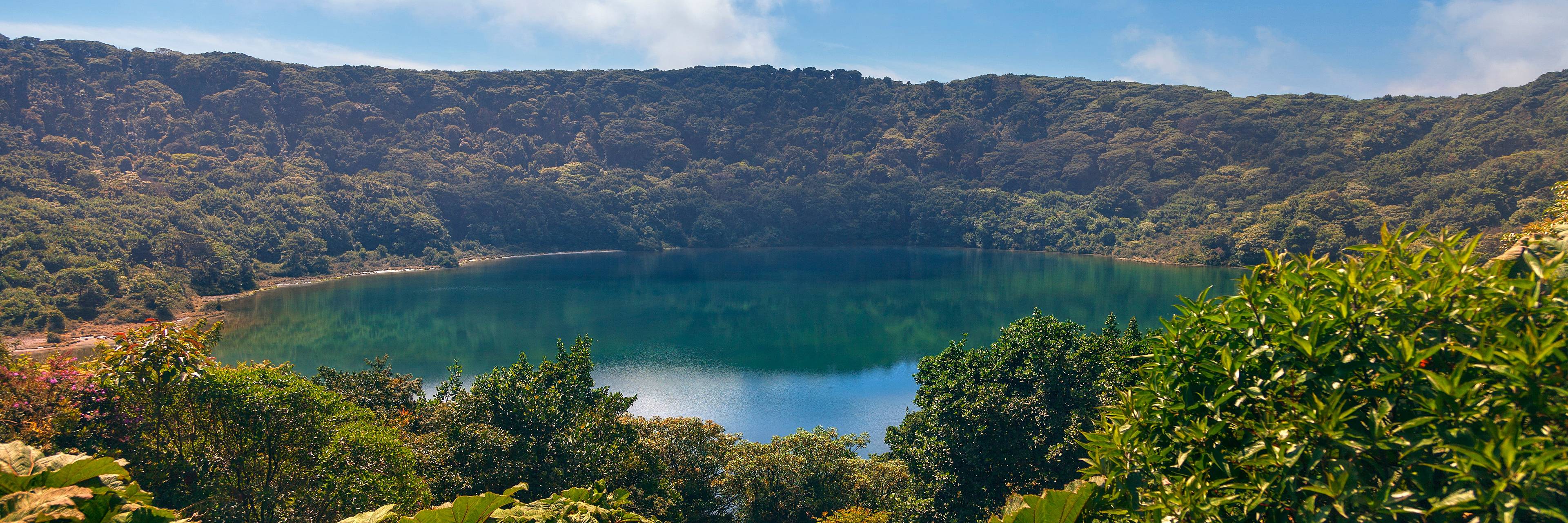
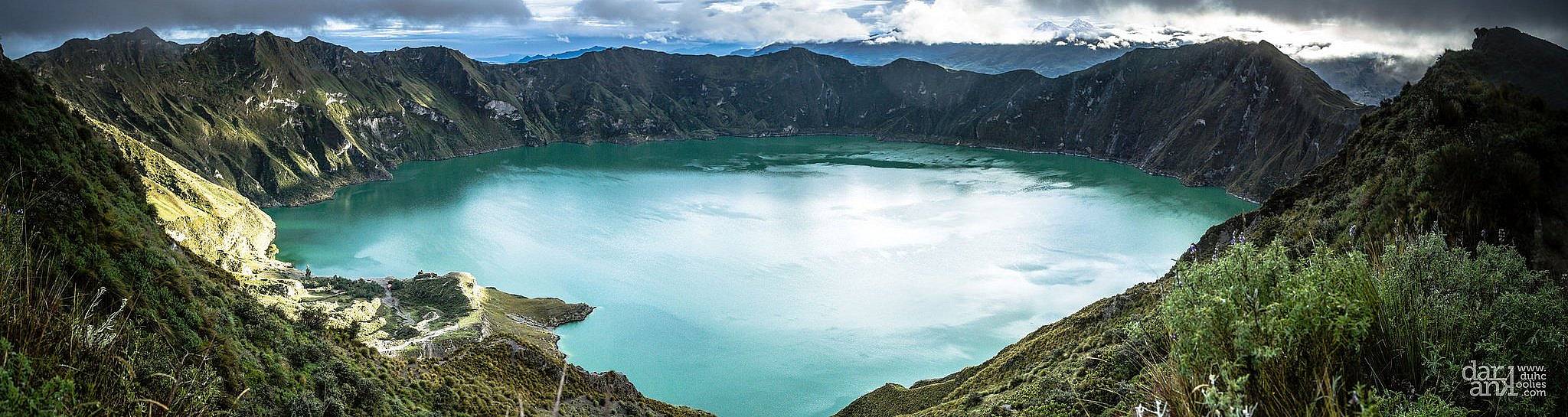
This impressive 2,704 metre high volcano in Poás National Park is one of the most visited in Costa Rica. One of the things that attracts tourists, as well as the crater that is more than a kilometre in diameter and 300 metres deep, formed during an eruption in 1953, is the fact that it is still very active, One of the volcano's principal attractions is the columns of smoke which can be hundreds of metres tall! Further on there is also a blue water filled crater but bathing in it is much too dangerous because the area is toxic. During your climb you're bound to notice how the acid rain has affected the earth and plants. It's said that the people of Costa Rica collect the water to use as a sort of medicine. As well as the memorable exploration of Poás volcano, the National Park has a great variety of plants, animals and birds which you can explore via two pretty paths: Botos and Escalonia.
You should allow a good half a day to make the most of the volcano and the rest of the Park.
Irazú volcano
 ©
©
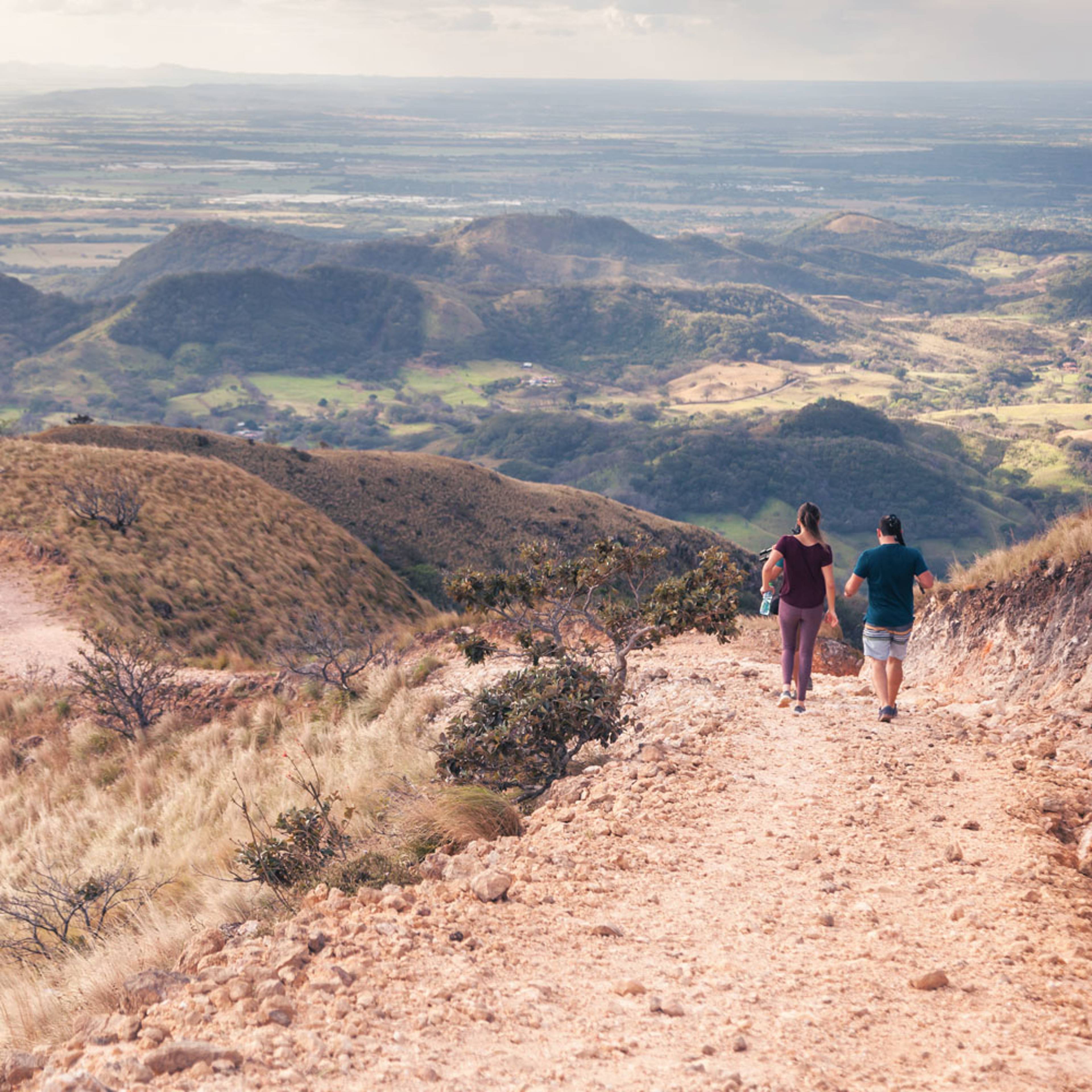
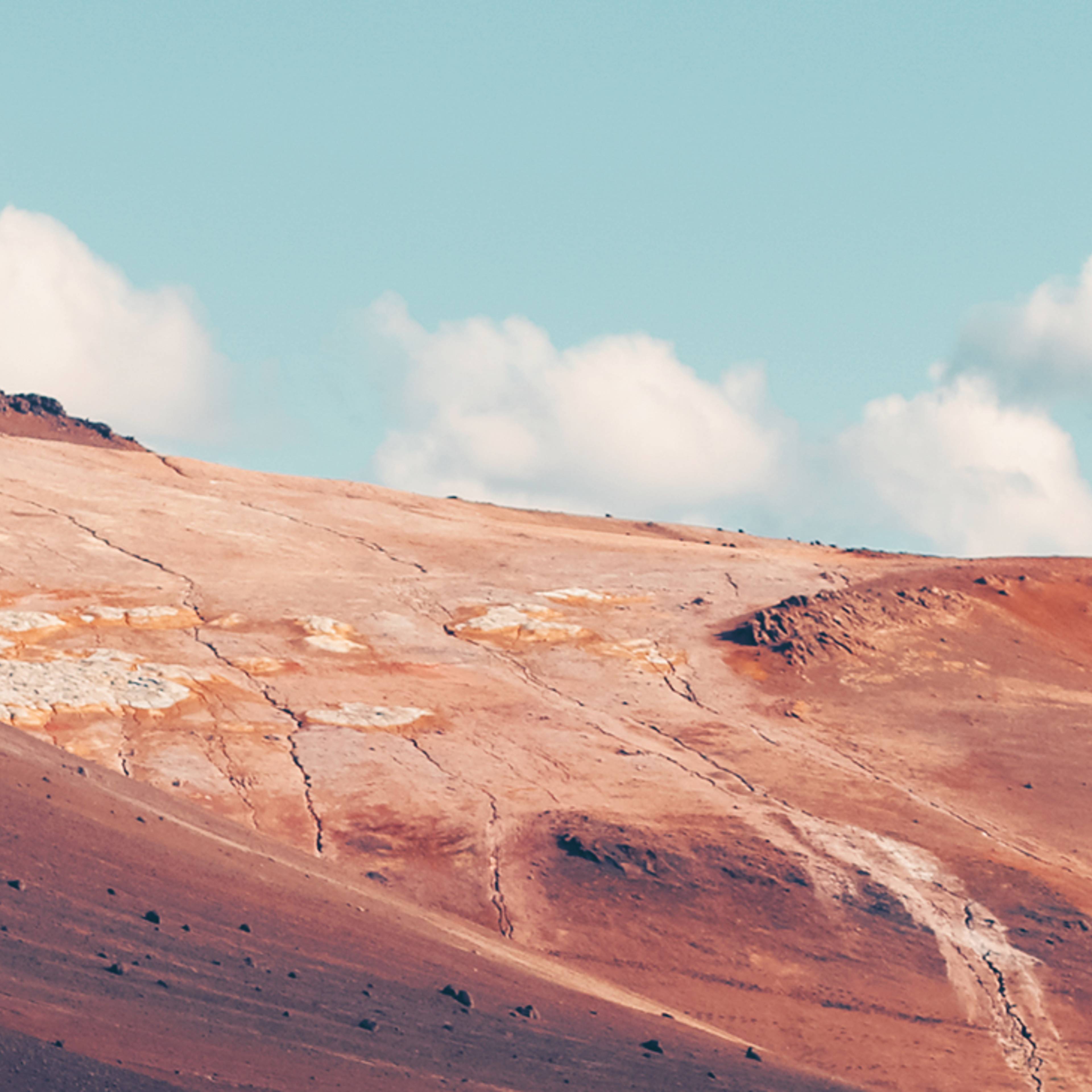
This volcano is about 30 kilometres to the west of Cartago in Irazú National Park. At 3,432 metres it is the tallest in the country and when you have a clear view you can see the Pacific and Atlantic Oceans from it. There is also an amazing view over the central valley. You are certain to love the walk up this volcano, its gigantic, incredibly bright green lake of sulphuric acid, the desert scenery of volcanic black sand and the little crater that is covered in dense vegetation...You feel like you are on another planet. Going up this famous volcano could be a marvellous stop on your itinerary round Costa Rica. But it's also a dangerous volcano that destroyed Cartago in 1723 and whose strong activity menaces the valley.
You'll need virtually a whole day to climb Irazú volcano, and you should remember to take warm clothes and a windcheater - you'll find them very useful at altitude.